One of the most common questions people ask after surgery, cosmetic procedures, or even a minor skin injury is: "My wound has healed—so why is it still red?"
It's a reasonable question. Once the skin has closed and the area no longer feels tender, many people expect the redness to disappear quickly. In reality, visible redness is often a normal part of the healing process and can last for weeks or even months.
Understanding why redness occurs—and what you can do to support healing—can help set realistic expectations and promote healthier-looking skin throughout recovery.
Why Does Skin Stay Red?
When your skin is injured, your body immediately begins repairing itself. As part of this process, it increases blood flow to the affected area to deliver oxygen and nutrients that support healing.
During this stage, new blood vessels form beneath the skin, helping nourish the healing tissue. These blood vessels are one of the main reasons a scar or healing area appears red or pink. As the scar matures, these blood vessels gradually decrease, and the redness typically fades over time.
How Long Does Redness Last?
There isn't a single timeline that applies to everyone. Depending on the type of injury, your skin type, and your body's natural healing response, redness may persist for several weeks—or in some cases, several months.
Several factors can influence how long redness remains visible, including:
- The size and depth of the wound
- Your age and overall health
- Skin tone
- Sun exposure
- Smoking
- Consistency with scar care
Healing is a gradual process, and patience is often just as important as treatment.
Redness Doesn't Always Mean Something Is Wrong
Many people assume persistent redness is a sign that a scar isn't healing properly. In most cases, that's not true. As long as redness is gradually improving and isn't accompanied by worsening pain, swelling, drainage, or other signs of infection, it's often a normal part of scar maturation.
If you have concerns about your healing progress, it's always best to consult your healthcare provider.
Why Sun Protection Matters
One factor that is often overlooked is UV exposure. Healing skin is particularly sensitive to the sun, and UV rays can make redness more noticeable while increasing the risk of discoloration as a scar matures. Even short periods of sun exposure during everyday activities can affect healing skin. That's why protecting new scars from UV exposure is an important part of many post-procedure recovery plans. Daily sun protection may help support a more even-looking scar as it continues to mature.
Supporting the Healing Process
While you can't eliminate redness overnight, there are simple steps you can take to help support healthy recovery:
- Follow your healthcare provider's post-procedure instructions.
- Keep healing skin clean and moisturized.
- Protect healing areas from excessive sun exposure.
- Avoid unnecessary friction or irritation.
- Be consistent with your scar care routine.
Perhaps most importantly, remember that scars continue to change long after the skin surface has healed. Improvements often occur gradually over several months.
Supporting Scar Recovery with Skinuva
Consistent scar care plays an important role throughout the healing process—not just immediately after an injury or procedure.
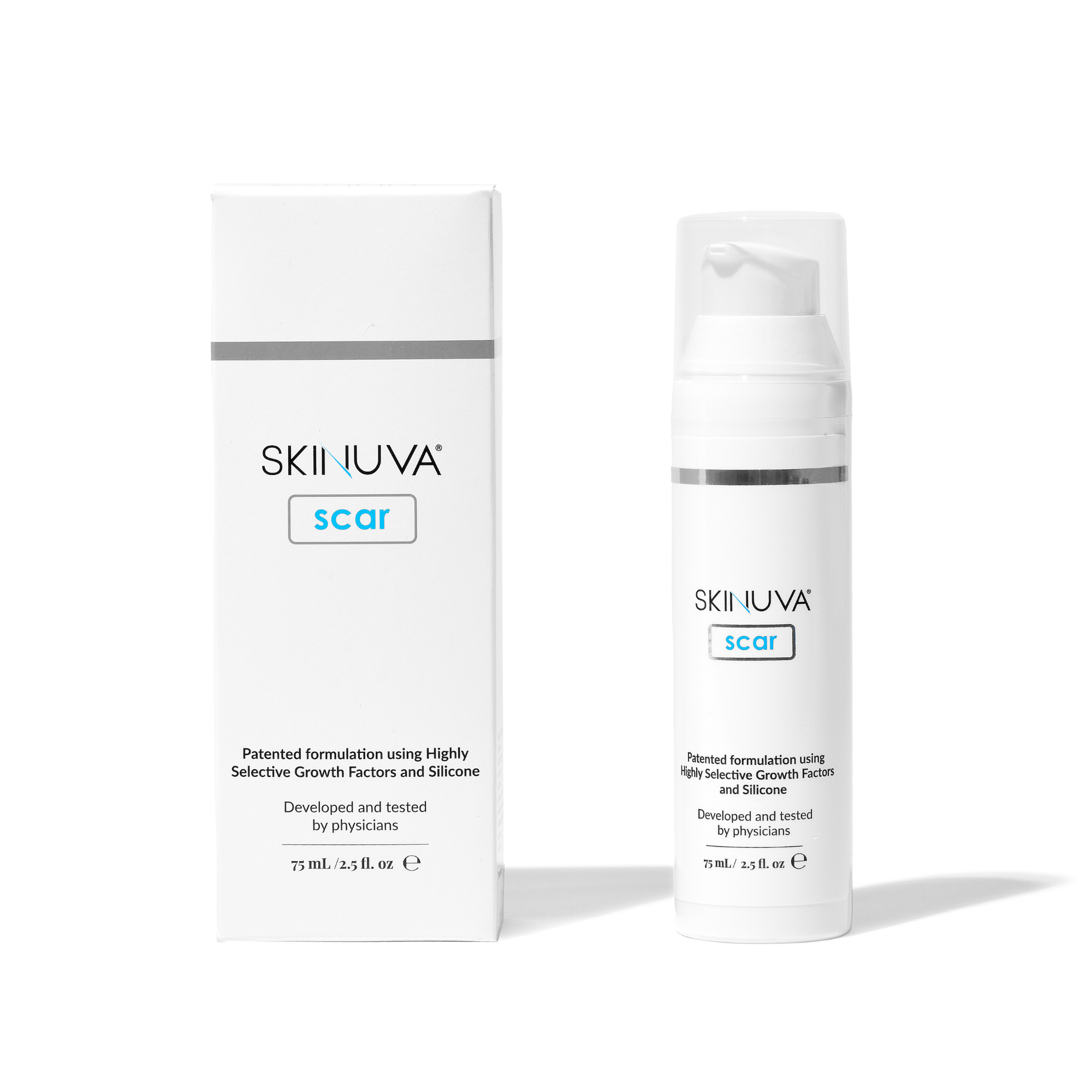
Skinuva Scar was developed by plastic surgeons and is formulated with Synthetic Growth Factors, Silicone, Hyaluronic Acid, Aloe Vera, Vitamin C, and Centella Asiatica to help support the appearance of healing skin as scars mature. Skinuva Scar can help reduce redness of healing scars, as well as flatten raised scars.
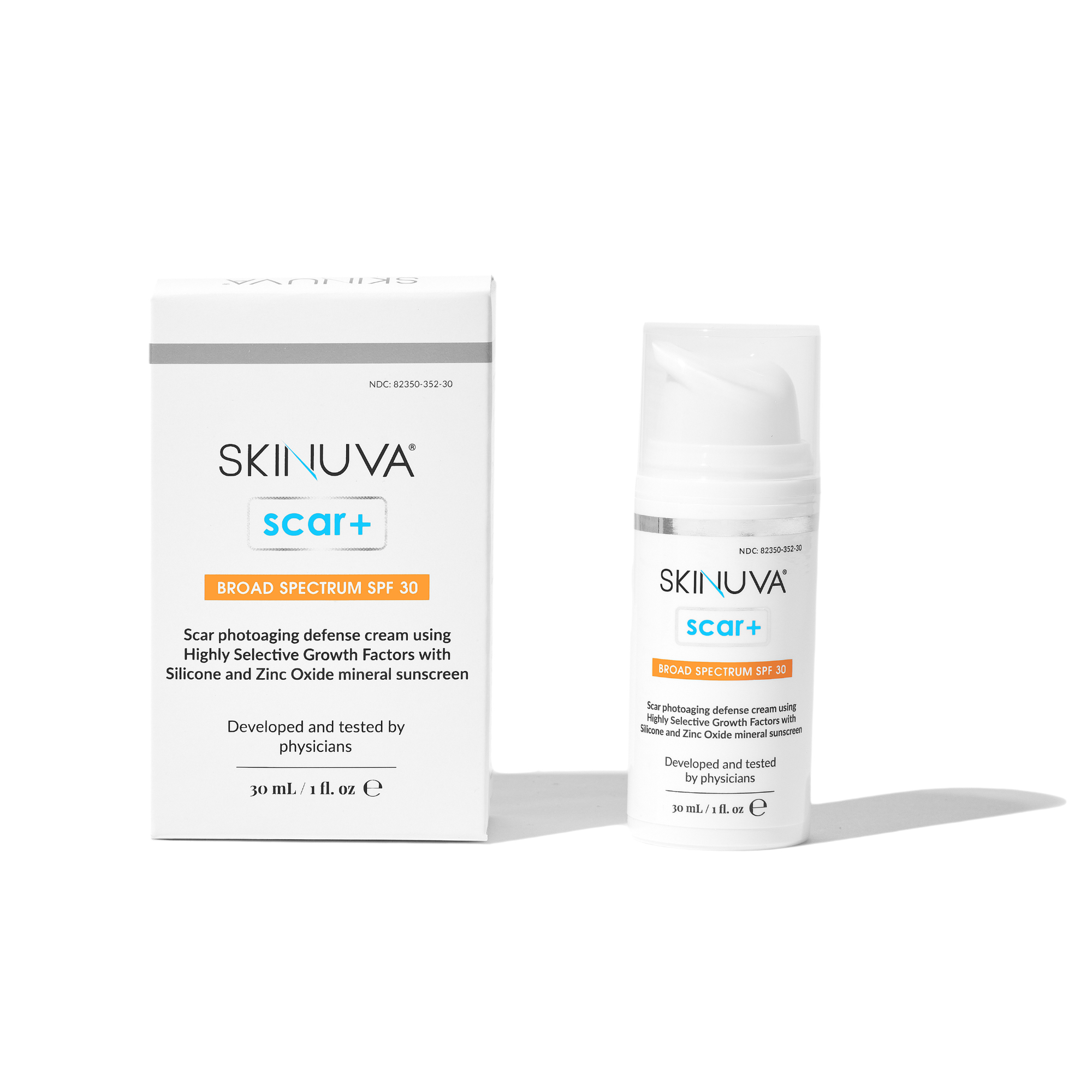
Because UV exposure can contribute to prolonged redness and discoloration, Skinuva Scar+ SPF combines the same advanced scar care formulation as Skinuva Scar with added broad-spectrum sun protection in one convenient product. By helping protect healing skin from the sun while supporting the appearance of scars, it makes daily scar care easy to incorporate into your recovery routine.
The Bottom Line
It's easy to assume that once a wound closes, the healing process is complete—but your skin is still hard at work beneath the surface.
Redness is often a normal sign that your body is rebuilding and remodeling tissue. While every person's healing journey is different, protecting your skin from UV exposure, following a consistent scar care routine, and giving your body time can all help support healthier-looking results.
If your scar still looks pink or red weeks after your procedure, don't panic. In many cases, it's simply another step in the natural healing process—and with patience and proper care, its appearance will continue to improve over time.