The aesthetic industry is constantly evolving, and one of the biggest shifts happening today is a move away from simply changing how the skin looks toward improving the quality and health of the skin itself.
This approach is often referred to as regenerative aesthetics.
Rather than focusing only on temporarily smoothing wrinkles or adding volume, regenerative aesthetics aims to work with the body's natural repair processes to support healthier, stronger, more youthful-looking skin over time.
From collagen-stimulating treatments to advanced skincare ingredients, the goal is increasingly becoming less about "fixing" the skin and more about giving it the support it needs to repair, renew, and function at its best.
What Are Regenerative Aesthetics?
Regenerative aesthetics is a broad term used to describe treatments and technologies that aim to stimulate or support the body's own natural processes.
In aesthetic medicine, this can include treatments designed to encourage:
- Collagen and elastin production
- Cellular renewal
- Tissue repair
- Improved skin texture and quality
- Healthier-looking skin over time
Procedures such as microneedling, certain laser treatments, radiofrequency treatments, and biostimulatory injectables are examples of approaches that may rely, at least in part, on the body's natural healing response to produce visible improvements.
The idea is simple: instead of only addressing what we see on the surface, support the biological processes happening underneath it.
Why Skin Quality Is Becoming the New Goal
For years, aesthetic treatments largely focused on individual concerns: filling a wrinkle, restoring lost volume, or resurfacing uneven texture.
Those treatments still have an important place in aesthetic medicine, but patients are increasingly interested in something broader: overall skin quality.
Healthy-looking skin isn't defined by the absence of every line or imperfection. Factors such as texture, tone, hydration, elasticity, and the skin's ability to recover all contribute to its overall appearance.
That's why many modern aesthetic treatment plans combine procedures with skincare designed to support the skin before, during, and after treatment.
Your Skin's Healing Response Matters
Interestingly, many aesthetic procedures actually depend on controlled injury to create their desired effect.
Treatments such as lasers and microneedling intentionally create controlled stress within the skin. The body responds by beginning its natural repair process, which can include inflammation, cellular activity, and collagen remodeling.
That means what happens after an aesthetic treatment can be just as important as the treatment itself.
Supporting the skin during recovery, protecting it from unnecessary environmental stress, and following an appropriate post-procedure skincare routine can all play a role in the overall experience and visible results.
Where Growth Factors Fit In
Growth factors have become an increasingly discussed ingredient category within regenerative skincare.
Growth factors are naturally occurring signaling proteins involved in cellular communication and processes related to repair and renewal. In topical skincare, growth factor technology is used in formulations designed to support healthier-looking skin and improve its appearance.
This reflects the broader philosophy behind regenerative aesthetics: working alongside the skin's natural processes rather than focusing exclusively on surface-level correction.
Skinuva's Approach to Skin Recovery
Long before "regenerative aesthetics" became a skincare buzzword, supporting the skin's recovery process was central to the development of Skinuva.
Skinuva's physician-developed products incorporate advanced ingredients, including synthetic growth factors, into formulas designed to address specific concerns associated with healing and skin appearance.
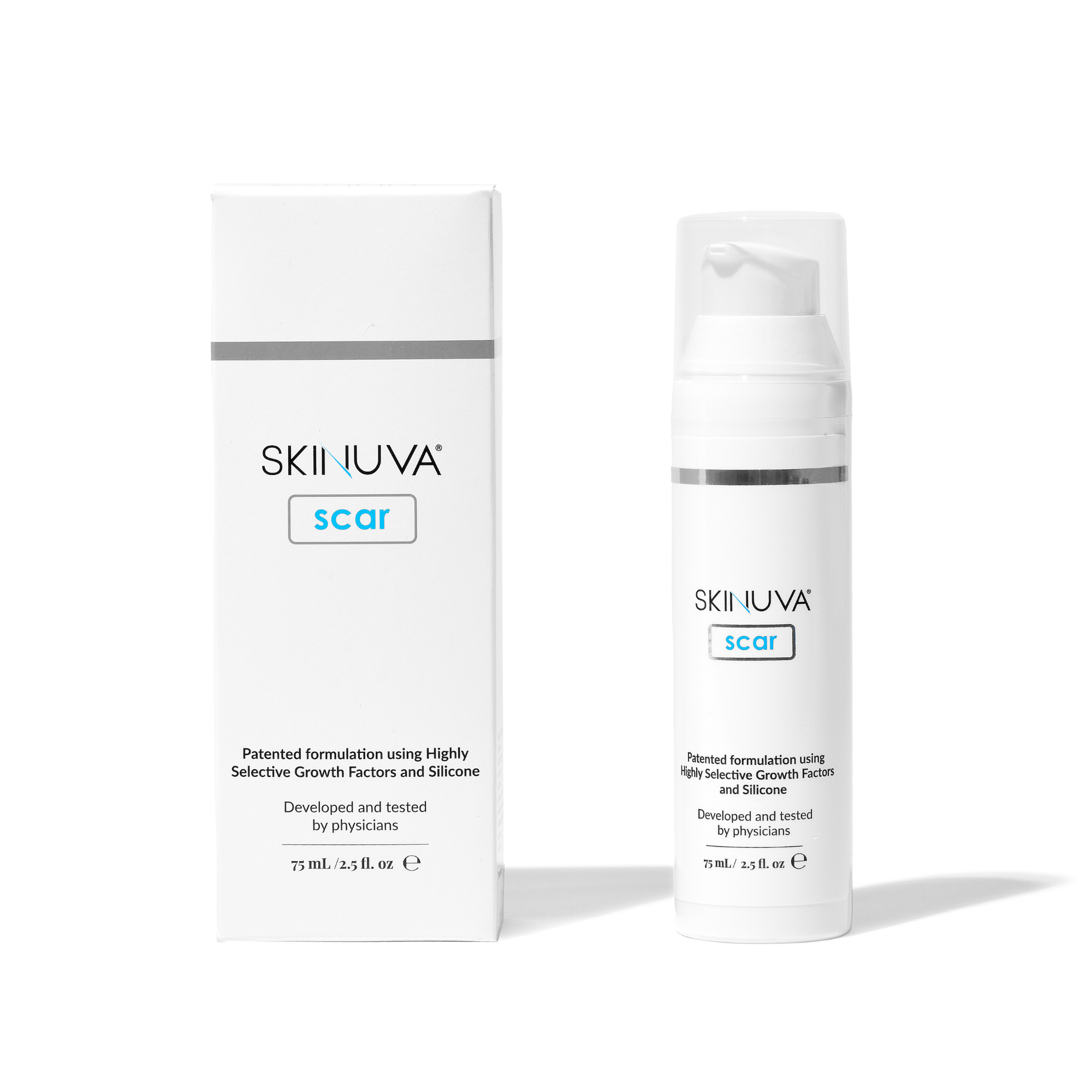
Skinuva Scar combines selective synthetic growth factors with silicone and other ingredients to support the appearance of scars as they mature.
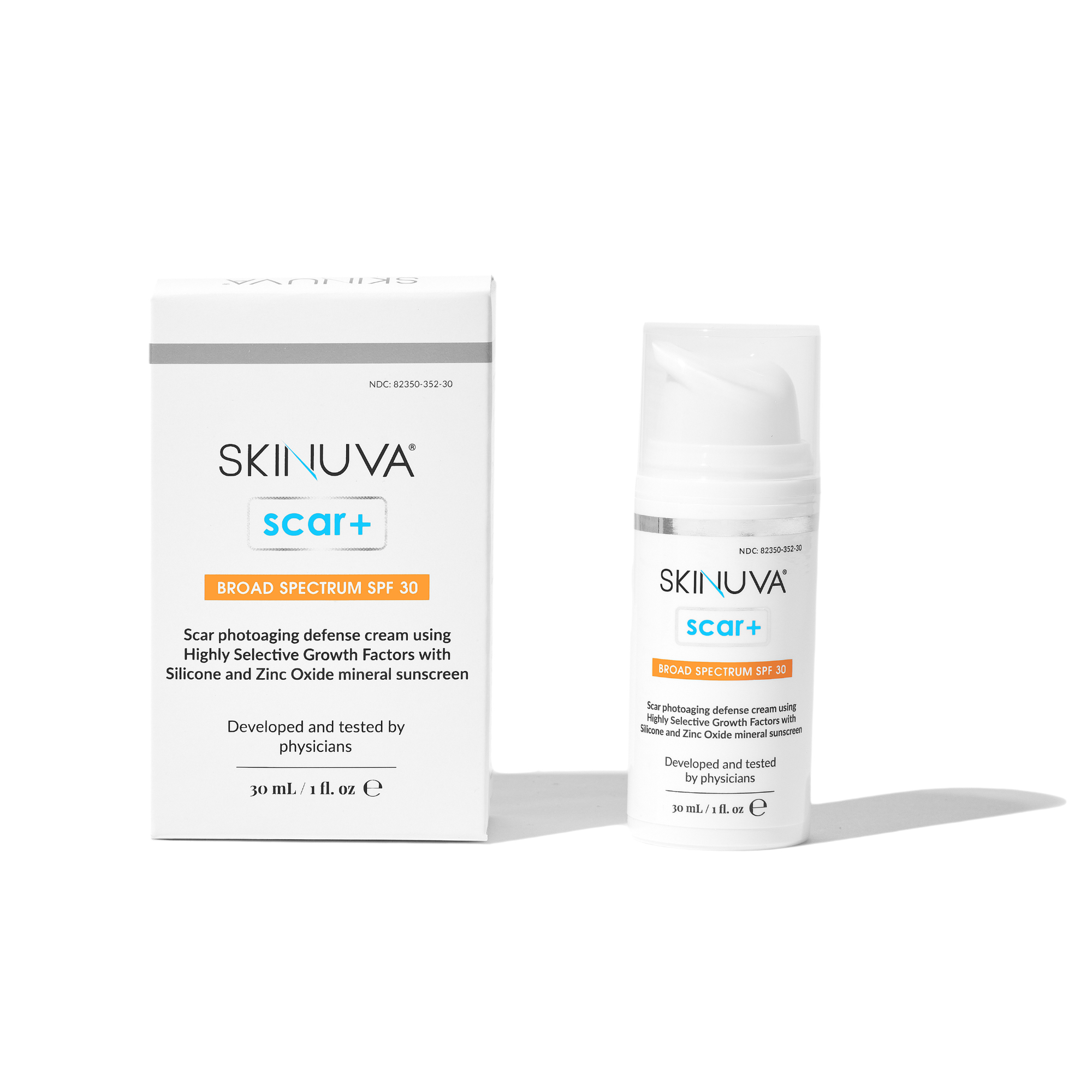
For scars that may be exposed to the sun, Skinuva Scar+ SPF combines advanced scar care with broad-spectrum sun protection, helping protect healing skin from UV exposure that can contribute to discoloration.
And for concerns involving uneven tone and discoloration, Skinuva Brite offers a targeted approach to promoting brighter, more even-looking skin.
Together, these products reflect an approach to skincare that goes beyond covering up concerns and instead focuses on supporting healthier-looking skin throughout its recovery and renewal process.
The Future Is About Supporting the Skin
Aesthetic medicine will continue to evolve, but the growing interest in regenerative aesthetics represents an important change in how we think about results.
Rather than asking only, "How can we change the way the skin looks?" the conversation is becoming, "How can we help the skin function and recover at its best?"
Whether you're undergoing an aesthetic procedure, recovering from surgery, addressing discoloration, or simply thinking more proactively about skin health, supporting the skin's natural processes can be an important part of a long-term skincare strategy.
At Skinuva, that philosophy has always been at the heart of what we do: combining physician-developed technology with targeted skincare to support healthier-looking skin through every stage of recovery.