April is Stress Awareness Month, and while most conversations focus on mental health, there’s another important piece that often gets overlooked: your skin.
If you’ve ever noticed breakouts during a stressful time or slower healing after a procedure, you’re not imagining it. Stress has a measurable, biological impact on skin health, especially on how your skin heals.
How Stress Affects Your Skin (Beyond Breakouts)
When your body is under stress, it activates the hypothalamic-pituitary-adrenal (HPA) axis, triggering the release of cortisol, your primary stress hormone.
Cortisol plays an important role in short bursts, but when stress becomes chronic, elevated cortisol can disrupt normal skin function in several ways:
-
Increased inflammation: worsens redness, sensitivity, and skin conditions
-
Impaired skin barrier: leads to dryness, irritation, and slower recovery
-
Increased oil production: contributes to breakouts
-
Reduced collagen production: affects firmness and repair
This is why stress is commonly linked to conditions like acne, eczema, psoriasis, and rosacea.
But one of the most important (and least discussed) effects is how stress impacts skin healing.
The Science: Stress, Cortisol & Wound Healing
Healing is a complex, multi-stage process involving inflammation, tissue formation, and remodeling. Stress interferes with every phase of this process.
1. Prolonged Inflammation
Inflammation is necessary for healing, but too much of it for too long becomes harmful.
Elevated cortisol can dysregulate the immune response, leading to delayed wound closure, increased redness and irritation, and a greater risk of abnormal scar formation.
2. Slower Collagen Production
Collagen is essential for rebuilding skin after injury or procedures. Chronic stress has been shown to reduce fibroblast activity (cells that produce collagen), disrupt collagen organization, and delay tissue regeneration, resulting in weaker, less optimal healing—and potentially more visible scars.
3. Reduced Blood Flow & Oxygenation
Stress can constrict blood vessels, limiting the delivery of oxygen and nutrients to healing tissue. This can slow recovery time, impact overall skin quality, and compromise final aesthetic outcomes
Stress & Scar Formation: Why It Matters
Because stress affects inflammation and collagen remodeling, it can directly influence how a scar forms.
Under higher stress conditions, you may be more likely to experience:
In other words, how your body heals is just as important as the treatment itself.
Why Stress Impacts Your Aesthetic Results
Whether you’re undergoing, laser treatments, microneedling, surgical procedures, or injectables with downtime, your results don’t just depend on the procedure—they depend on your body’s ability to recover.
When stress is high, healing takes longer, inflammation lasts longer, results may be less smooth or refined, and downtime may be extended
Optimizing recovery isn’t just about what you apply topically, it’s also about what’s happening internally.
How to Optimize Healing and Results During Stressful Times
While you can’t eliminate stress entirely, you can support your skin’s healing environment.
-
Prioritize Sleep: Sleep is when your body does the majority of its repair work. Aim for 7–9 hours per night and a consistent sleep schedule
-
Support Your Skin Barrier: A compromised barrier makes skin more reactive and slows recovery. Focus on gentle skincare, hydration, and avoiding over-exfoliation post-treatment.
-
Manage Inflammation: Small habits can help regulate your body’s inflammatory response. Regular movement (even light walks), mindfulness or breathwork, and limiting excessive alcohol and processed foods aer just a few ways to combat inflammation.
-
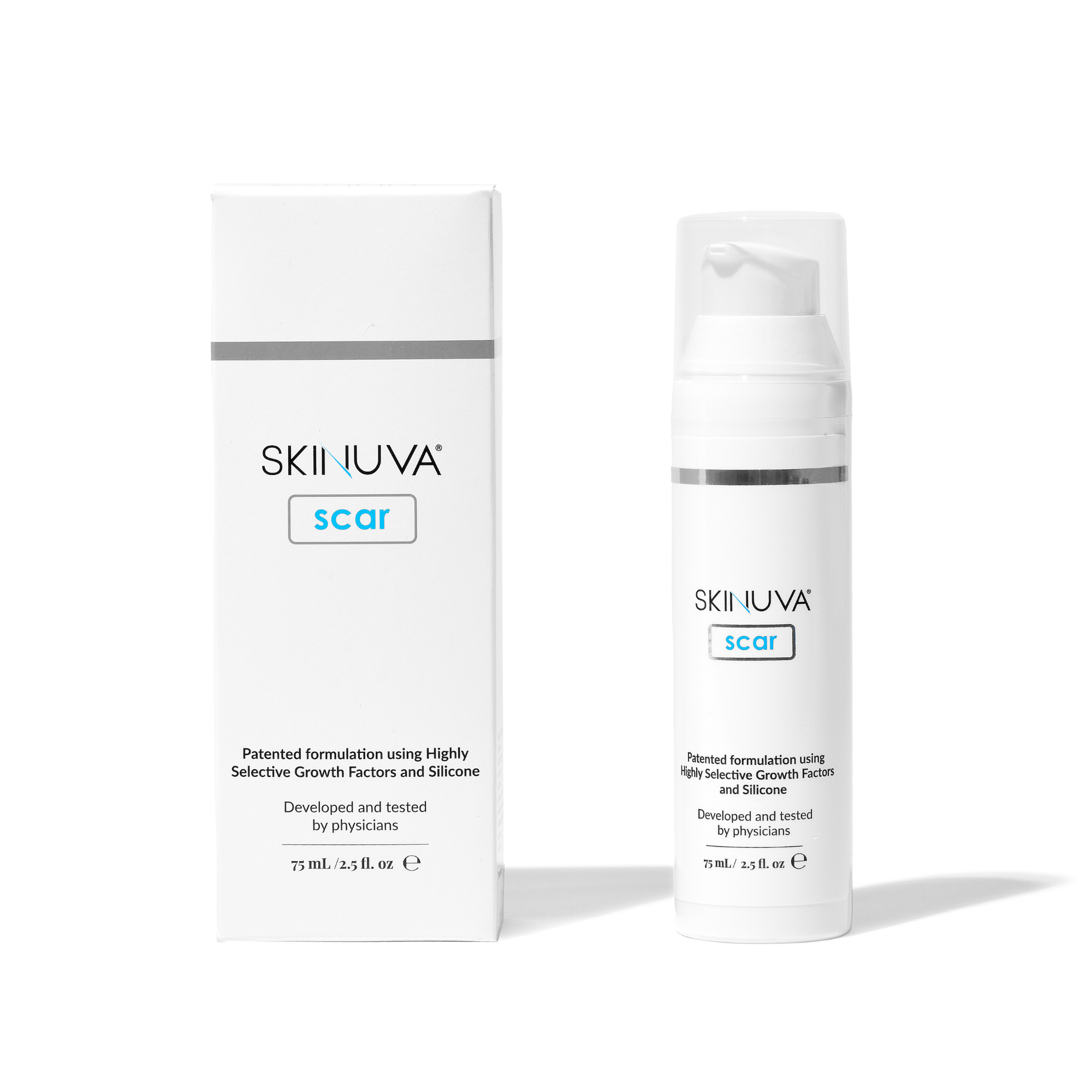
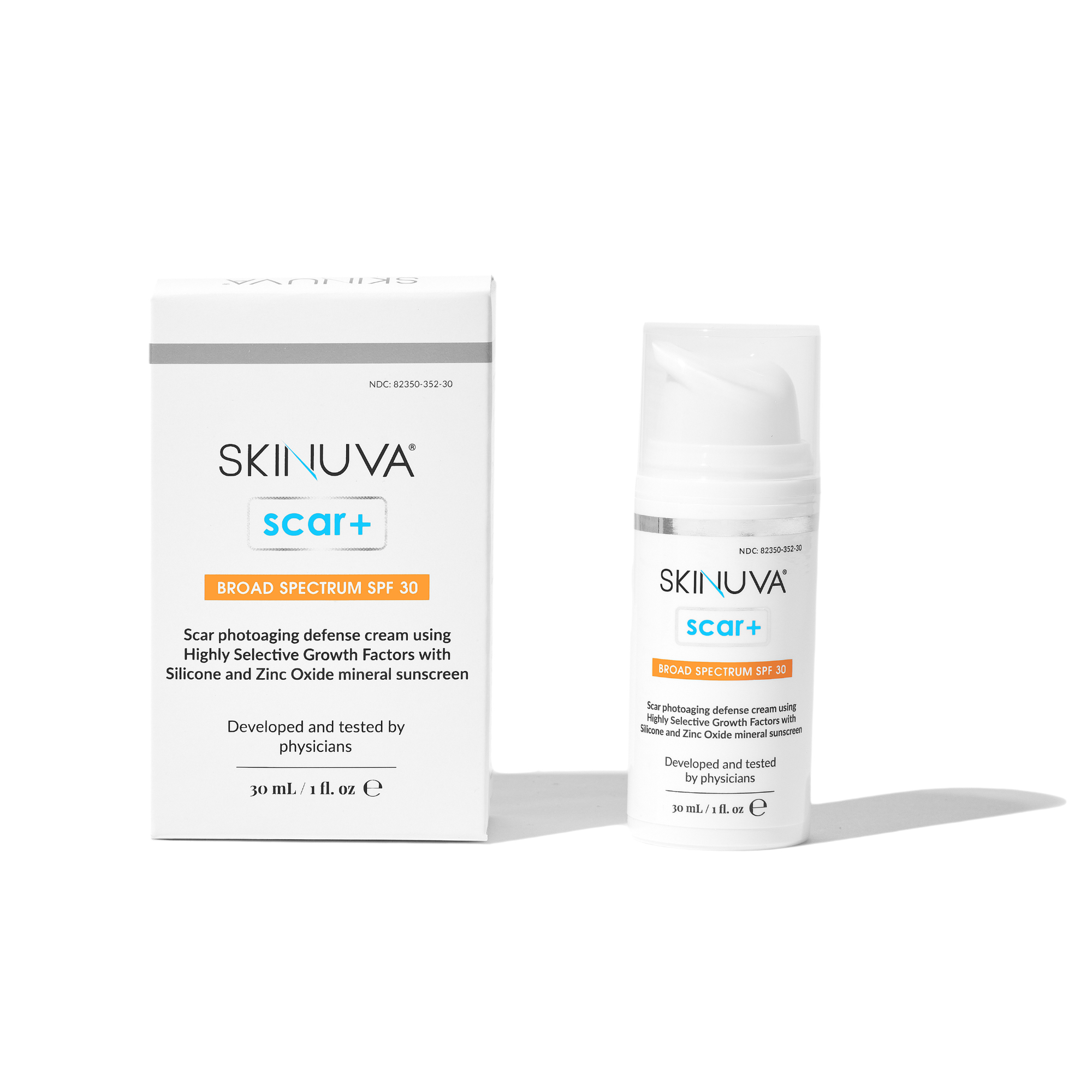
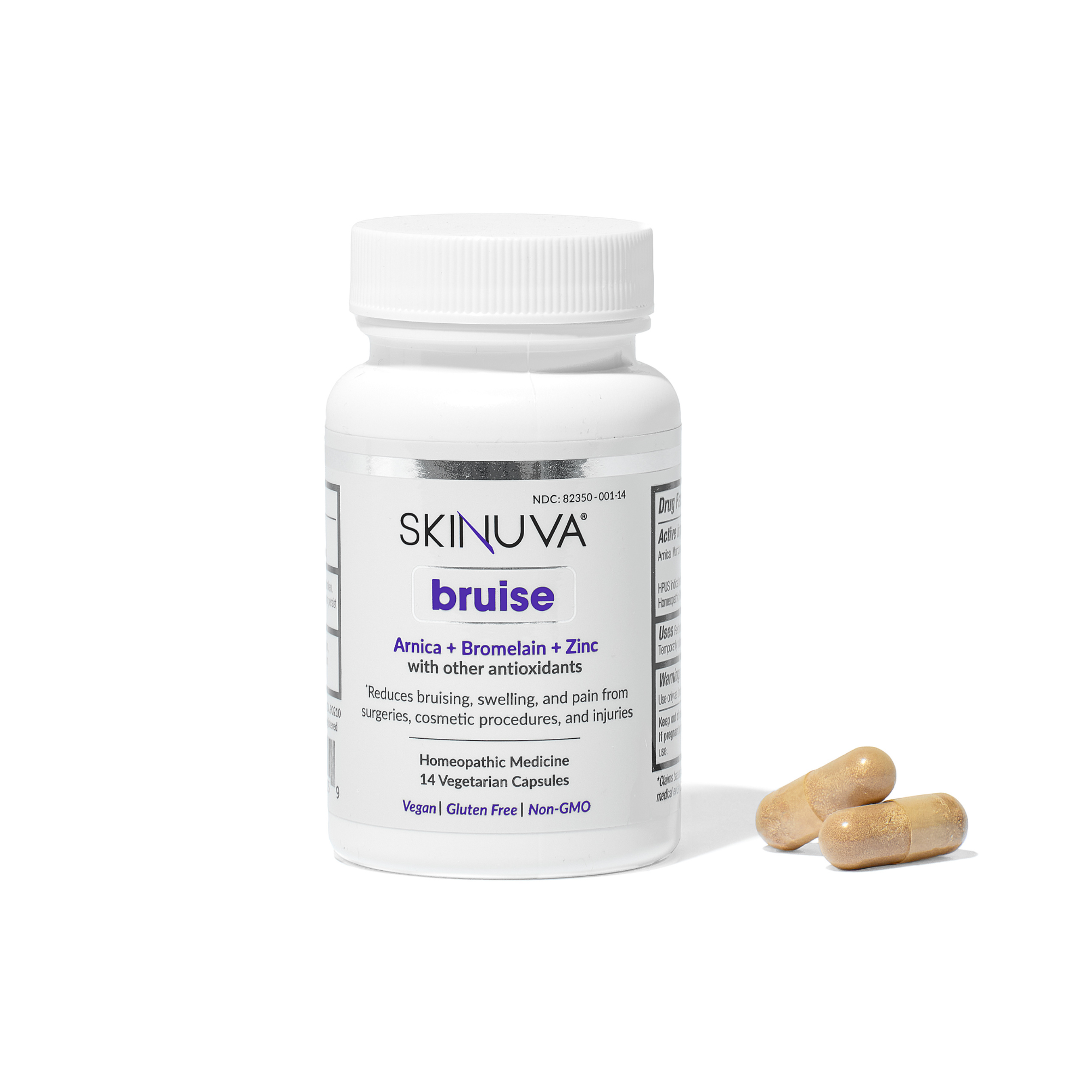
Be Intentional with Post-Procedure Care: This is where targeted skincare becomes critical. Using products designed to support collagen production, skin regeneration, and balanced healing can help counteract some of the negative effects of stress on the skin.
Stress doesn’t just affect how you feel, it affects how your skin functions, heals, and ultimately looks.
If you’re investing in aesthetic treatments, optimizing your recovery is key to achieving the best possible outcome. That means thinking beyond the procedure itself and supporting your body through the healing process.
Because in the end, better healing leads to better results.