National Vitamin C Month: Why This Ingredient Matters for Skin Healing
By Mackenzie Yelle
April is National Vitamin C Month, and while it’s often associated with brightening and “glowing” skin, its role goes far beyond surface-level benefits. Vitamin C is a critical component in how the skin repairs, rebuilds, and restores itself—making it especially relevant in the context of post-procedure recovery and long-term skin health.
The Role of Vitamin C in Skin Function
Vitamin C, also known as ascorbic acid, is a powerful antioxidant that plays an essential role in maintaining healthy skin. At a biological level, it helps:
Support collagen synthesis
Protect against oxidative stress
Reduce the appearance of discoloration
Promote more even skin tone over time
While many people think of vitamin C as a brightening ingredient, its most important function is actually tied to how the skin repairs itself.
Why Vitamin C Matters for Healing
After procedures such as lasers, microneedling, or surgery, the skin enters a healing phase that involves inflammation, tissue repair, and collagen remodeling. During this process, oxidative stress increases, which can slow recovery and contribute to prolonged redness or uneven pigmentation. Vitamin C helps counteract these effects by:
Neutralizing free radicals that can interfere with healing
Supporting collagen production as the skin rebuilds
Helping regulate pigmentation as the skin recovers
This makes it a valuable component in supporting both early healing and long-term results.
Vitamin C & Discoloration
One of the most common concerns during recovery is lingering discoloration—whether it’s post-inflammatory hyperpigmentation, uneven tone, or residual redness. Vitamin C plays a key role in helping improve the appearance of discoloration by:
Inhibiting excess melanin production
Promoting a more even skin tone
Supporting the skin as it transitions through the healing process
Over time, this can contribute to a clearer, more balanced complexion.
While vitamin C is widely known for its brightening effects, its impact on overall skin quality is just as important. By supporting collagen production and protecting against environmental stressors, it helps improve:
Skin texture
Firmness
Overall tone and clarity
This is particularly important during the later stages of healing, when the skin is refining and strengthening its structure.
Where Skinuva Fits In
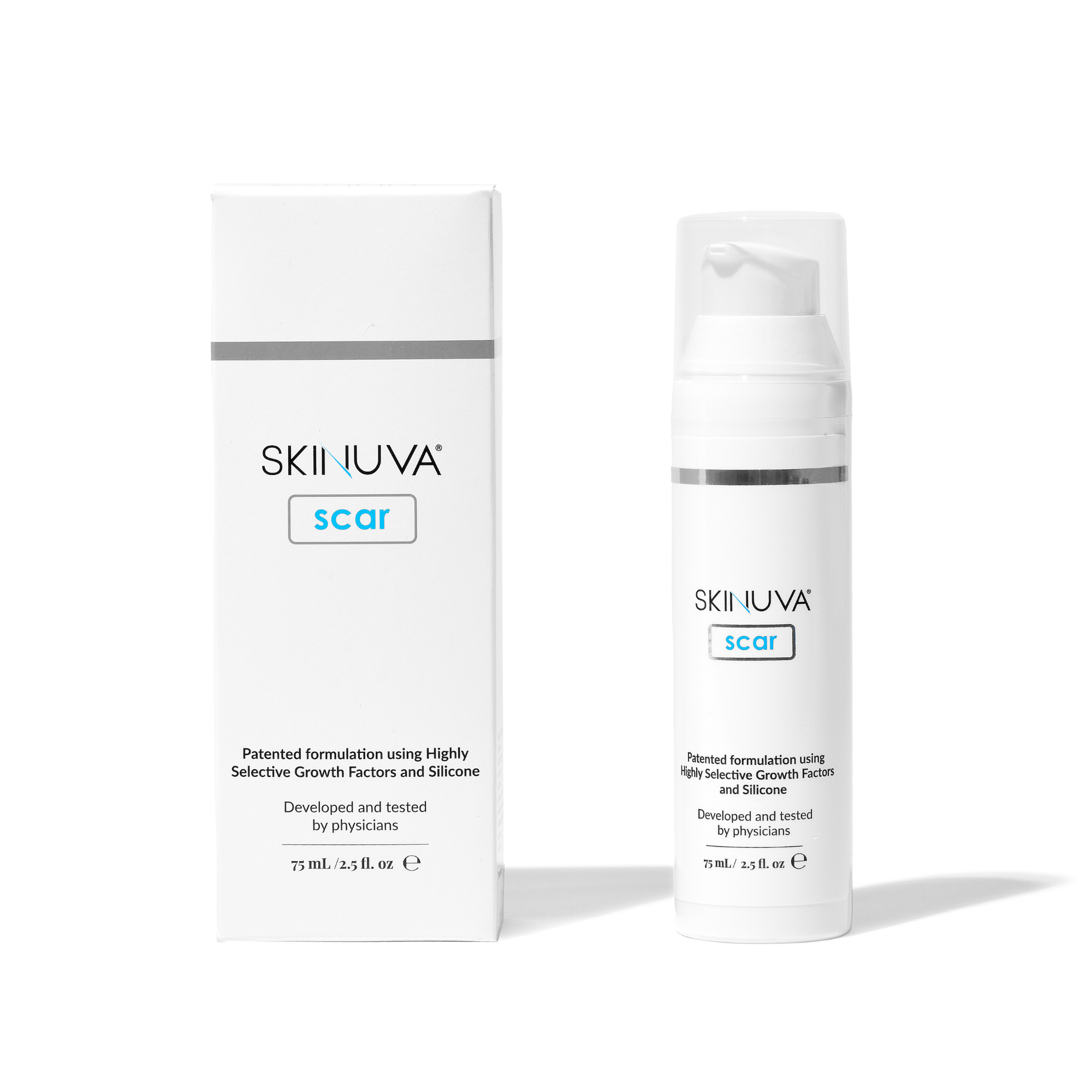
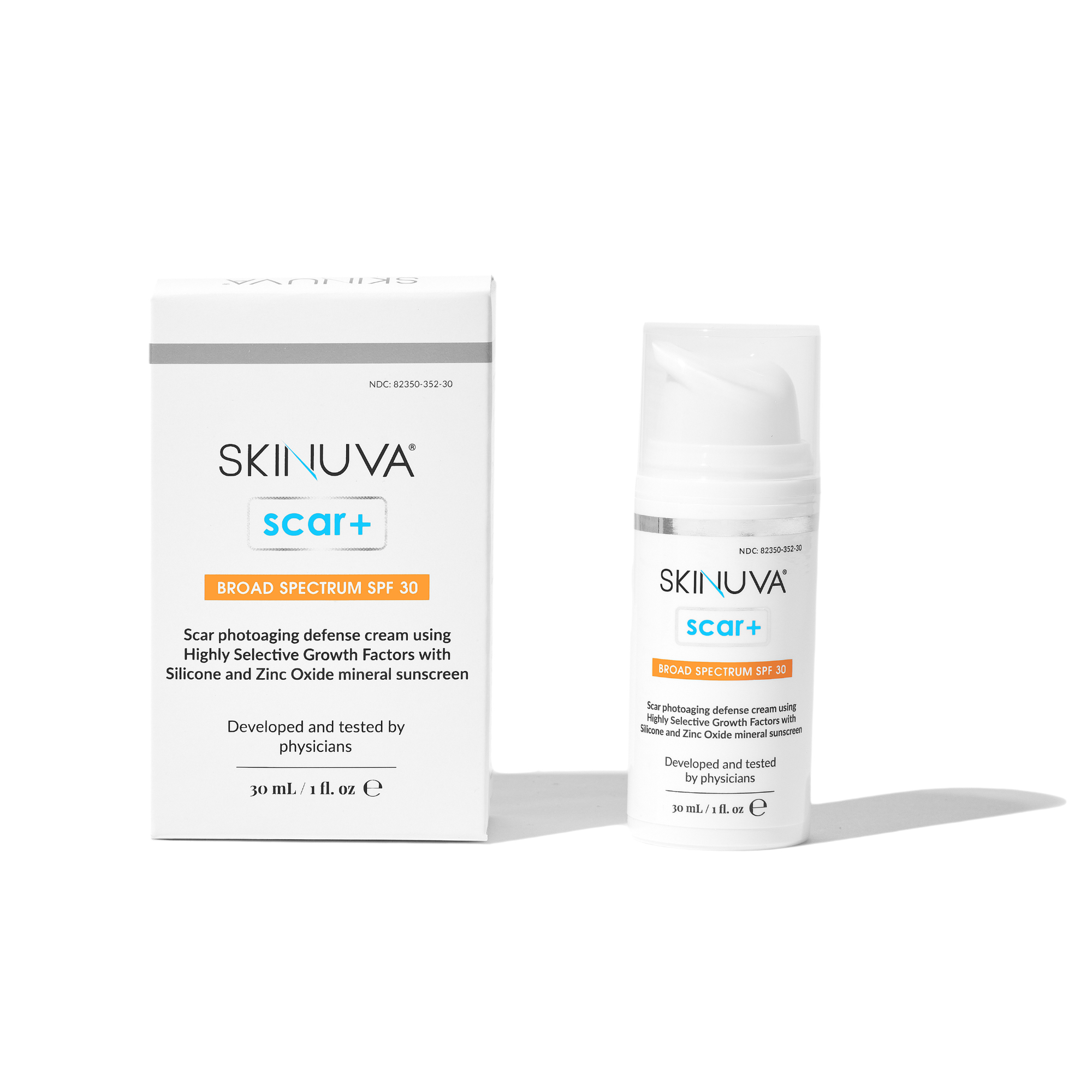
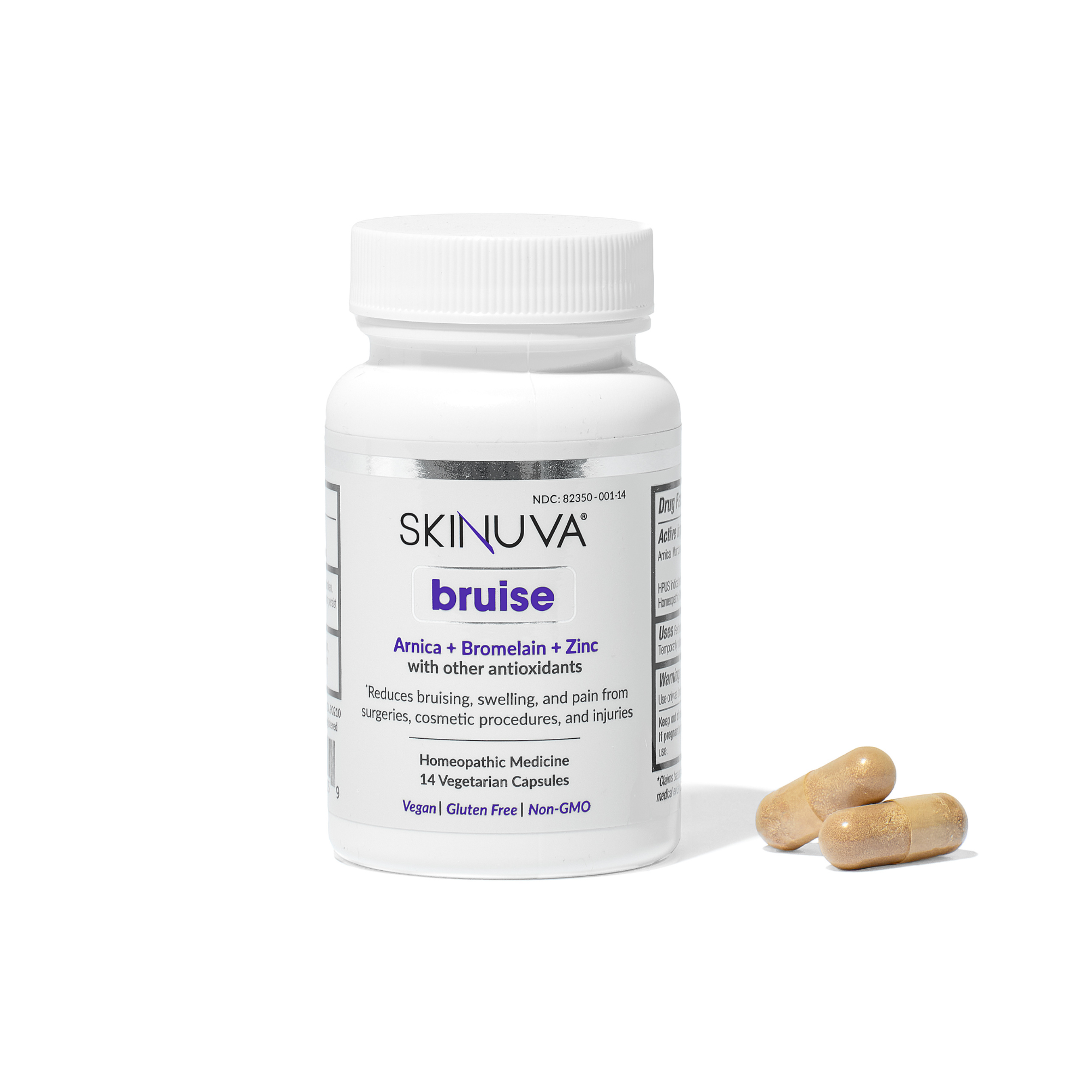
Skinuva incorporates vitamin C as part of a broader, science-backed approach to skin recovery. Rather than relying on a single ingredient, Skinuva formulations combine vitamin C with selective growth factor technology to support the skin across multiple phases of healing. This approach allows for:
Support of collagen production and skin regeneration
Improvement in the appearance of discoloration over time
Enhanced overall skin quality during and after recovery
By addressing both the biological processes of healing and visible skin concerns, Skinuva provides a more comprehensive approach to post-procedure care.
The Takeaway
Vitamin C is more than just a brightening ingredient—it’s a key player in how the skin heals, rebuilds, and restores itself. As awareness around post-procedure care continues to grow, ingredients that support both skin function and appearance are becoming increasingly important.
Healthy, radiant skin isn’t just created—it’s built through the healing process.