Growth Factors vs. Surface-Level Solutions: What Actually Supports Skin Healing?
By Mackenzie Yelle
As aesthetic treatments continue to grow in popularity—from lasers and microneedling to surgical procedures—more attention is being placed on achieving the best possible results. But one of the most important factors is often overlooked: how the skin heals afterward.
The procedure may create the change, but the healing process determines how that change ultimately looks. And not all approaches to post-procedure care support that process in the same way.
Understanding the Skin’s Healing Process
After any procedure or skin injury, the body initiates a complex, multi-phase healing response. This includes inflammation, tissue repair, and collagen remodeling—the final stage where the skin gradually rebuilds and refines in appearance. This remodeling phase can continue for up to 12 months, making recovery a long-term process rather than a short-term event.
Because of this, what you do during recovery plays a critical role in determining final outcomes.
Surface-Level Solutions vs. Deeper Skin Support
Many products and approaches focus on what’s immediately visible during recovery—redness, bruising, discoloration, or uneven texture. While addressing these concerns is important, they represent only part of the healing process.
Beneath the surface, the skin is actively repairing itself. Collagen is being produced and reorganized, inflammation is being regulated, and new tissue is forming. Supporting these internal processes is key to achieving smoother, more refined results over time. This is where growth factors come in.
What Are Growth Factors?
Growth factors are naturally occurring proteins that play a central role in how the body heals. They act as cellular messengers, signaling skin cells to repair damage, stimulate collagen production, and regenerate healthier tissue. Rather than simply improving the appearance of the skin, growth factors help support the biological processes that drive healing itself.
Why This Distinction Matters for Recovery
Post-procedure recovery isn’t just about reducing temporary side effects—it’s about influencing the quality of the final result. When healing is supported effectively, it can lead to smoother texture, more even tone, and less visible scarring over time. When it’s not, recovery may take longer, inflammation may persist, and results may appear less refined. In other words, how the skin heals is just as important as the treatment itself.
A More Complete Approach to Healing
Because healing happens in stages, recovery often requires more than a single solution. Early on, the focus may be on managing visible concerns like bruising or inflammation. As healing progresses, supporting collagen remodeling and minimizing the appearance of scars becomes more important. Over time, addressing discoloration and protecting the skin from external factors like UV exposure helps preserve results. Taking a more comprehensive approach allows each phase of healing to be supported as the kin continues to recover.
Where Skinuva Fits In
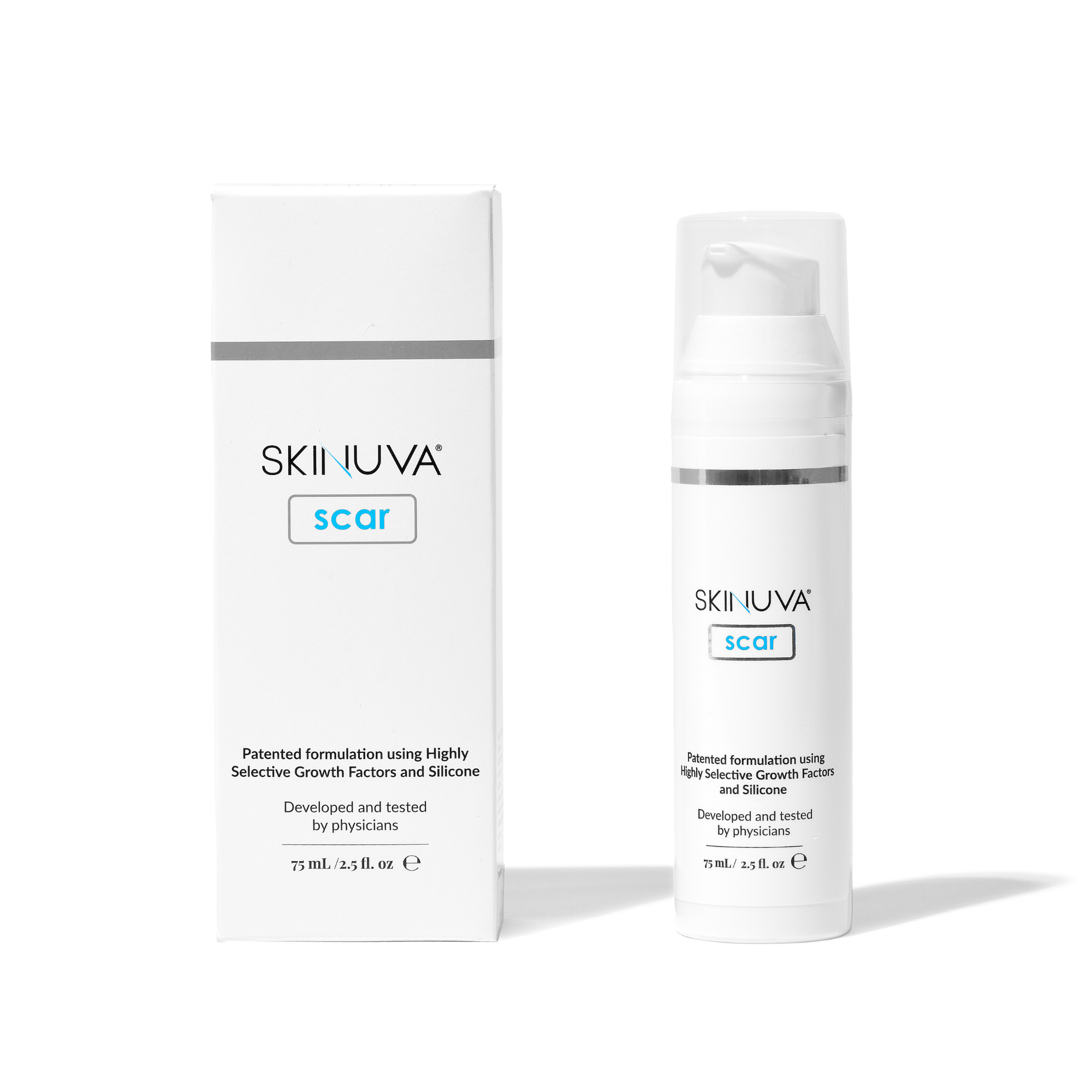
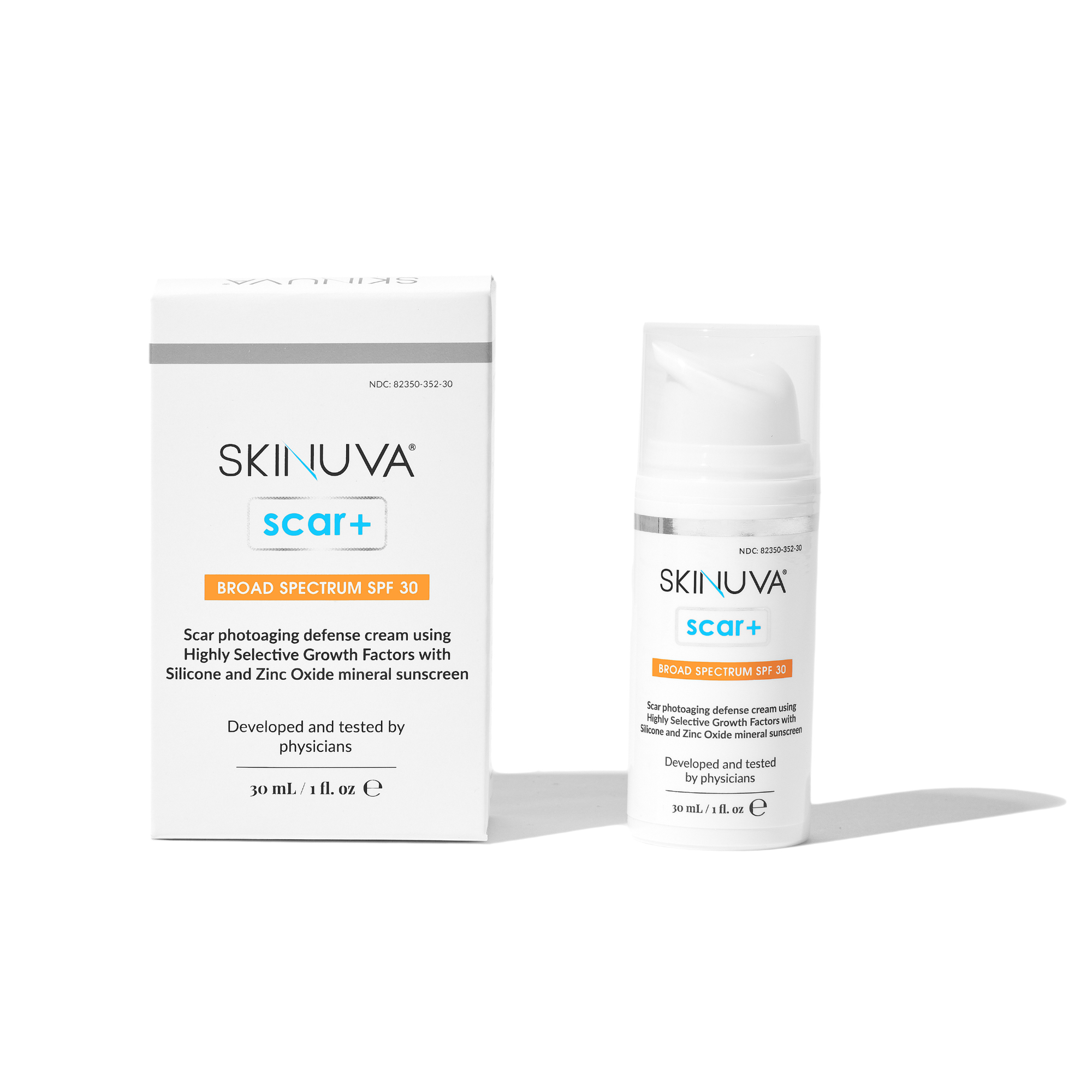
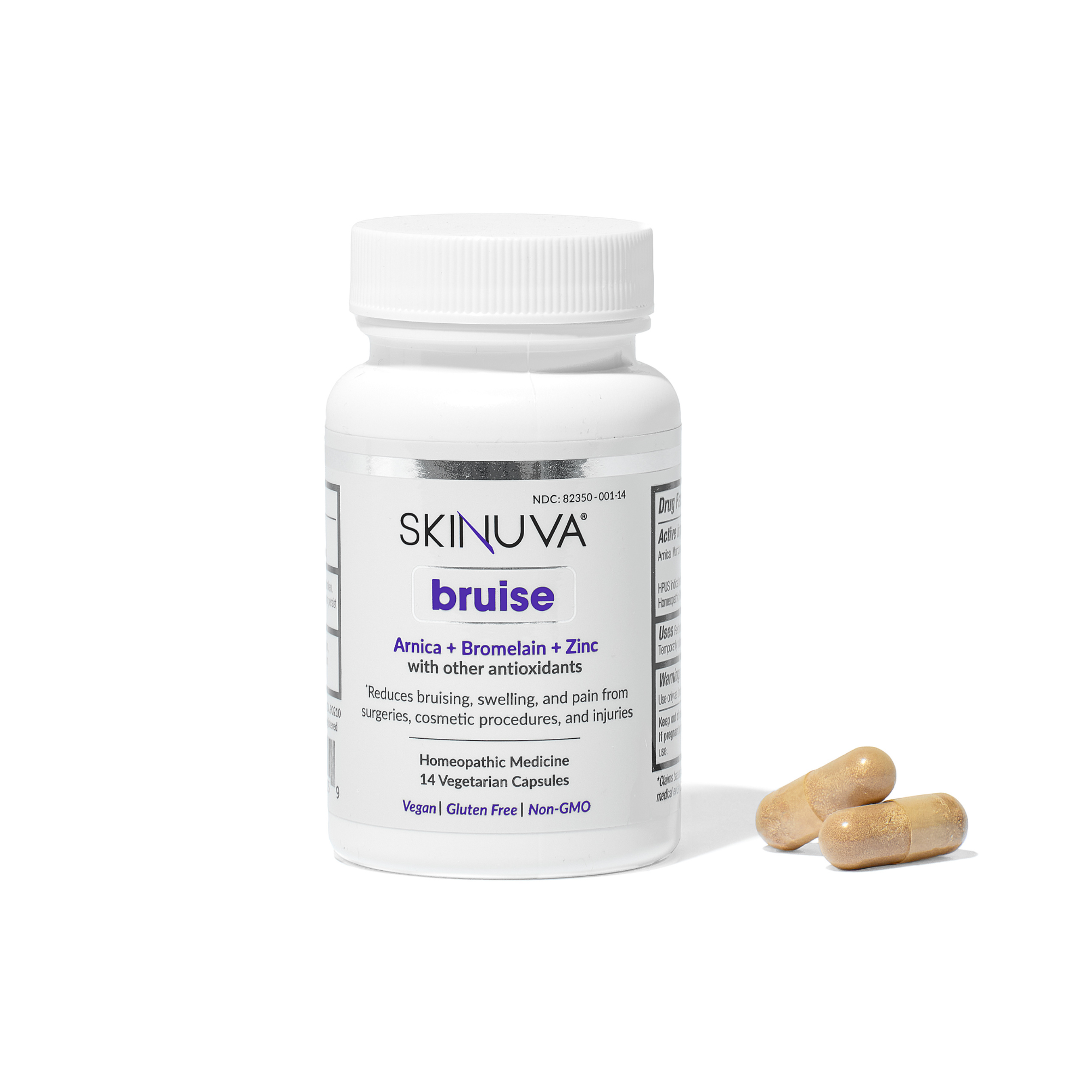
Skinuva is designed to support the skin throughout the healing process using selective synthetic growth factor technology, alongside targeted solutions for different stages of recovery.
By addressing both what’s happening beneath the surface and what’s visible externally, Skinuva helps support a more complete recovery process—from early healing through long-term skin refinement.