Why Scars Heal Differently and How Skinuva Scar Helps
By Mackenzie Yelle
Scarring is a natural part of the body’s healing process, but not all scars heal the same way. Some fade quickly and easily, while others become raised, red, or more noticeable over time. The way a scar forms depends on many factors, including the type of surgery, where the incision is made, and how the skin is cared for during recovery. Understanding these differences can help patients set realistic expectations and take proactive steps toward better-looking scars.
How Surgery Type Impacts Scarring
The type of surgery performed plays a major role in how a scar develops. In cosmetic and plastic surgery, such as breast augmentation, tummy tucks, or facelifts, surgeons are typically very intentional about incision placement and closure techniques to minimize visible scarring. Even so, these scars can still become raised, red, or firm if they are not supported properly during healing.
Orthopedic surgeries, like joint replacements or ligament repairs, often require longer and deeper incisions. These scars are exposed to more movement and tension, which can make them wider or more noticeable without proper aftercare.
Location also matters. Facial scars often heal faster due to strong blood supply and tend to be finer in texture. However, because they are so visible, even subtle redness or texture changes can feel more prominent. Scars on the body, especially on areas like the chest, back, or shoulders, are more prone to thickening or becoming raised because of thicker skin and higher tension.
Other Factors That Influence Scarring
Beyond surgery type and location, individual factors play a significant role in how scars heal. Genetics, skin tone, sun exposure, infection risk, and how consistently post-operative care is followed can all impact final scar appearance. Even two patients undergoing the same procedure may heal very differently based on these variables.
How Skinuva Scar Supports Better Healing
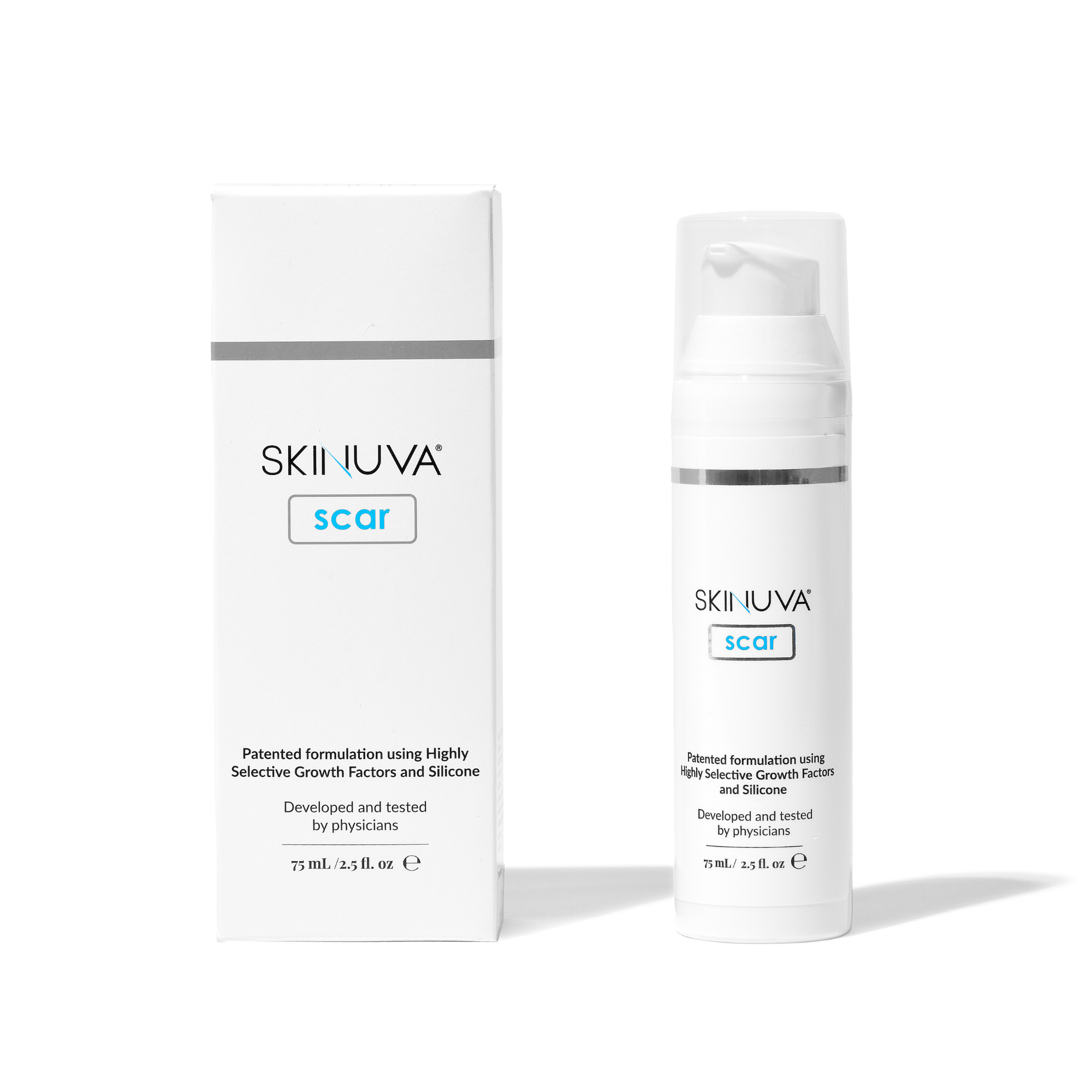
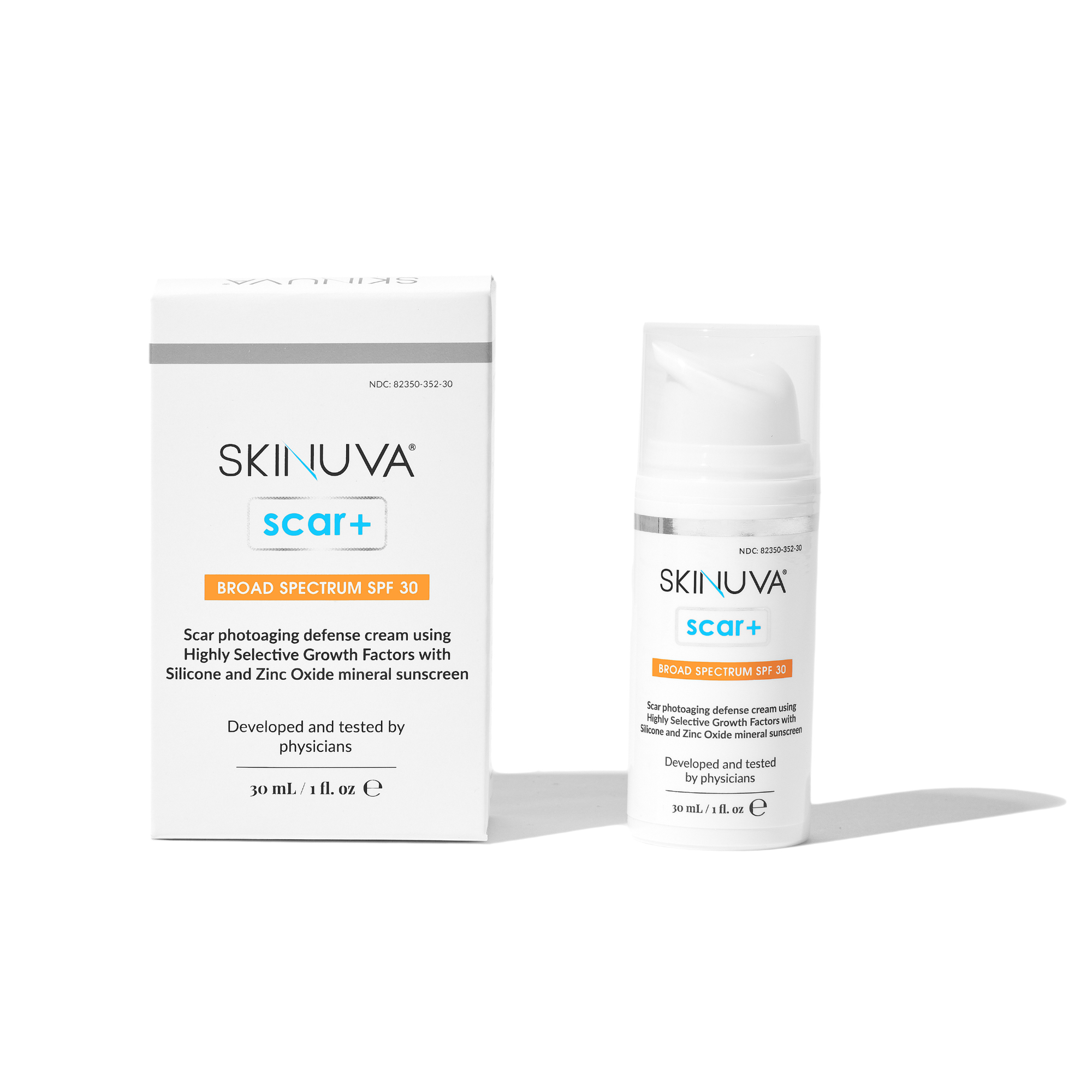
This is where proper scar care becomes essential. Skinuva Scar is designed to support healthy healing across a wide range of surgical scars, from cosmetic to orthopedic and everything in between. Its scientific formulation helps:
Flatten and soften raised scars
Reduce redness and discoloration
Improve overall texture and tone
Support the skin’s natural healing process
Keep the scar and surrounding skin hydrated and flexible
Skinuva Scar Ingredients
Selective Synthetic Growth Factors were chosen that allow scars to heal as normal as possible. These growth factors work to reduce redness, hyperpigmentation, and the thickening of skin. They also help promote the right type of collagen production necessary for scarless wound healing.
Silicone is widely considered the gold standard in scar management and is the foundation of Skinuva Scar’s formula. It works by forming a breathable, flexible barrier over the scar that helps regulate moisture and protect the skin as it heals. By maintaining proper hydration, silicone helps prevent excessive collagen buildup, which is a key contributor to raised or thickened scars.
While silicone cream has been a key ingredient in treating scars for decades, it is not the only ingredient in Skinuva Scar that is backed by science and highly safe and effective. Hyaluronic Acid promotes hydration, health cell function and healing, and helps the Growth Factors reach the skin, Centella Asiatica and Aloe Vera offer their wound-healing, soothing, and anti-inflammatory properties, and Vitamin C acts as a powerful antioxidant and helps synthesize collagen.
Because Skinuva dries clear and is easy to apply, it fits seamlessly into daily routines, whether treating a delicate facial incision or a longer body scar.
Every scar tells a story, but how that story looks long-term depends heavily on early and consistent care. No matter the type of surgery or where it’s performed, clinically-backed scar management like Skinuva Scar can make a meaningful difference in how scars heal, and how confident patients feel in their skin.