Summer is often associated with sunshine, vacations, and glowing skin—but warmer weather can also create unexpected challenges for healing and recovery. Whether your skin is recovering from a cosmetic procedure, surgery, irritation, or inflammation, environmental factors like heat, UV exposure, sweat, and dehydration can all influence the healing process.
Understanding how summer affects your skin can help you better support recovery and maintain healthier-looking skin all season long.
Heat Can Increase Inflammation
Warm temperatures naturally increase circulation and blood flow. While circulation plays an important role in healing, excess heat can sometimes intensify common recovery symptoms such as:
- Redness
- Swelling
- Tenderness
- Puffiness
- Skin sensitivity
Many people notice that their skin feels more reactive during the summer months because heat can dilate blood vessels and increase inflammation. This can be especially noticeable after cosmetic procedures, injuries, or treatments that already place stress on the skin.
Even activities like long days outdoors, hot showers, saunas, or intense workouts may temporarily worsen visible redness or swelling during recovery.
UV Exposure Can Slow Recovery
Sun exposure is one of the biggest challenges for healing skin during the summer.
Freshly treated or healing skin is often more vulnerable to UV damage because the skin barrier is already compromised. Excess sun exposure may contribute to:
- Increased discoloration
- Prolonged redness
- Post-inflammatory hyperpigmentation
- Collagen breakdown
- Increased skin sensitivity
Even brief daily exposure—such as walking outside, driving, or sitting near windows—can impact healing skin over time.
Protecting recovering skin from UV exposure is especially important after cosmetic procedures, surgery, laser treatments, or skin irritation.
Sweat and Friction Can Irritate Healing Skin
Summer activities often mean increased sweating, tighter clothing, and more friction against the skin. While sweat itself is natural, excess moisture and rubbing can irritate healing areas and contribute to prolonged discomfort or sensitivity.
This is especially common in areas prone to friction, including:
- The chest
- Abdomen
- Underarms
- Thighs
- Areas covered by compression garments or bandages
Outdoor workouts, humidity, and heat can all create additional stress on recovering skin during the summer months.
Dehydration Can Affect Skin Recovery
Hydration plays an important role in overall skin function and recovery. During the summer, increased heat and sun exposure can lead to water loss and dehydration, which may contribute to:
- Dryness
- Increased sensitivity
- A weakened skin barrier
- Dull or stressed-looking skin
Supporting hydration both internally and topically can help maintain a healthier environment for recovering skin.
Summer Travel Can Disrupt Recovery Routines
Summer schedules are often less predictable. Travel, vacations, and changes in routine can make it more difficult to stay consistent with recovery habits.
Factors like:
- Airplane dehydration
- Irregular sleep
- Increased alcohol consumption
- More sun exposure
- Missed skincare routines
can all affect how your skin looks and feels during recovery.
Consistency matters—especially when supporting healing skin.
How to Support Healing During the Summer
While summer can present additional recovery challenges, a few simple habits can help support healthier-looking skin throughout the season:
Prioritize Daily Sun Protection
Wearing broad-spectrum SPF daily helps protect healing skin from UV-related discoloration and environmental stress.
Stay Hydrated
Proper hydration helps support skin barrier function and overall skin health.
Keep Skin Cool When Possible
Avoid excessive heat exposure, especially immediately after procedures or during active healing.
Limit Friction and Irritation
Choose breathable clothing and avoid unnecessary rubbing on sensitive areas.
Keep Your Skincare Routine Gentle and Consistent
Avoid over-exfoliating or using harsh products that may further stress recovering skin.
Supporting Recovery with Skinuva
At Skinuva, recovery-focused skincare is designed to help support healthier-looking skin during the healing process. Summer environmental stressors like heat, UV exposure, and dryness can place additional strain on recovering skin, making gentle, supportive skincare even more important.
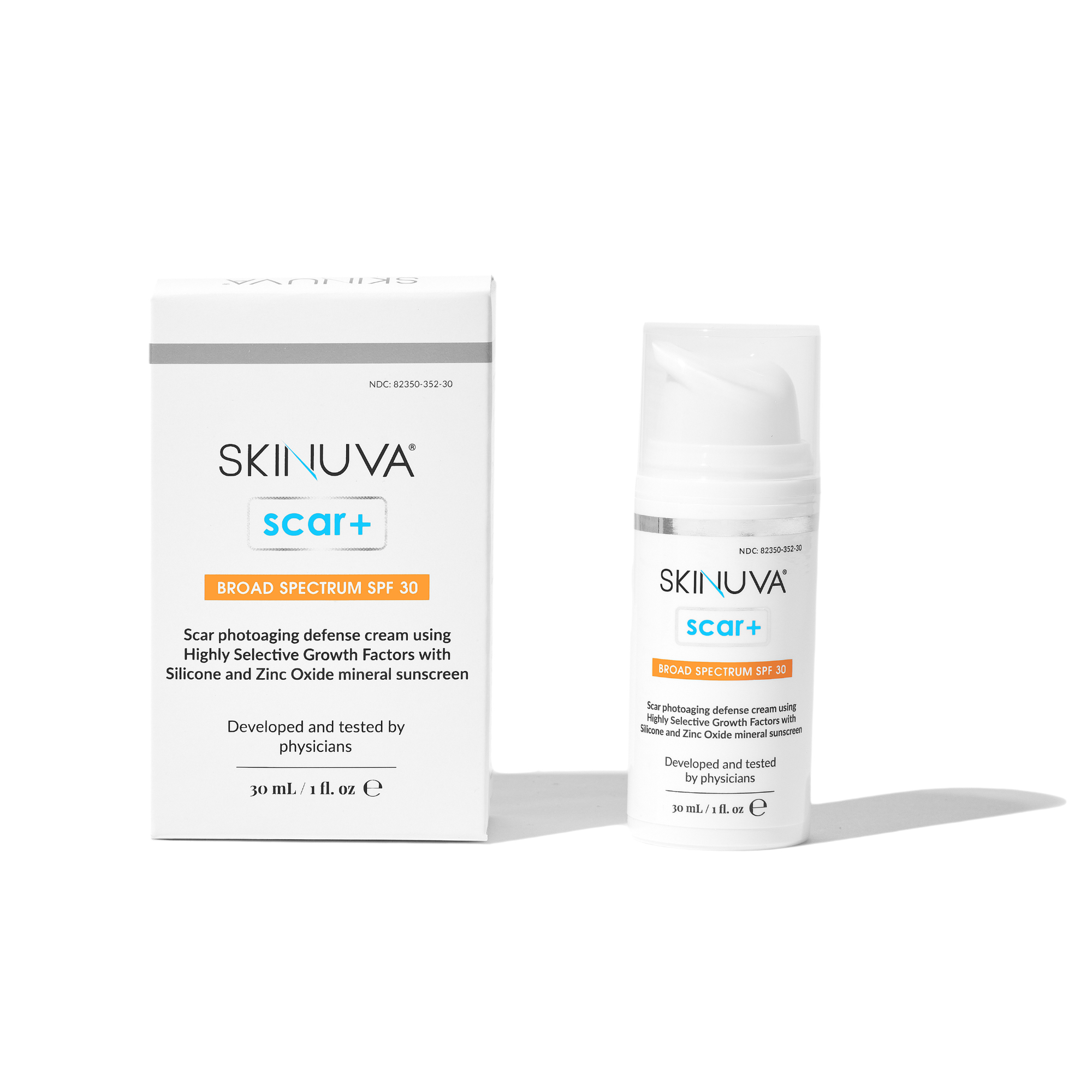
Products like Skinuva Scar+ SPF help support the appearance of healing scars with ingredients selected to hydrate and nourish recovering areas and offer SPF 30 protection, while Skinuva Brite helps address the appearance of uneven tone and discoloration that may become more noticeable with sun exposure.
Incorporating recovery-focused skincare alongside daily sun protection and healthy recovery habits can help support smoother, healthier-looking skin throughout the summer months.
The Bottom Line
Healing does not stop during the summer—but the environment can influence how your skin responds. Heat, sweat, UV exposure, dehydration, and changes in routine can all affect recovery and skin appearance.
By protecting your skin, staying consistent with recovery habits, and supporting your skin barrier throughout the season, you can help maintain healthier-looking skin all summer long.