The holiday season is filled with parties, family gatherings, vacations, and plenty of photo opportunities. It's also one of the busiest times of year for aesthetic treatments, as many people look to refresh their appearance before the celebrations begin.
Whether you're considering Botox, dermal fillers, microneedling, or laser treatments, timing is an important part of the process. While some procedures require little downtime, others can leave temporary bruising, swelling, redness, or sensitivity that may last longer than expected.
If you're planning aesthetic treatments around upcoming events, understanding the recovery process can help you set realistic expectations and give your skin the time it needs.
Not All Aesthetic Treatments Have the Same Downtime
One of the biggest misconceptions about cosmetic treatments is that minimally invasive procedures don't require recovery time. While many treatments allow patients to return to their normal activities quickly, temporary side effects are still possible.
Here's what to consider when planning some of the most popular treatments:
Botox and Neuromodulators
Botox and similar injectable treatments generally have minimal downtime. However, temporary redness, swelling, or bruising can occur at injection sites. Results also aren't immediate, typically becoming noticeable within several days and continuing to develop over approximately two weeks.
Dermal Fillers
Fillers can provide immediate changes in facial volume and contour, but swelling and bruising are common temporary side effects. Initial swelling may also affect how the final results look, making it important to allow time for the treated areas to settle.
Microneedling
Microneedling stimulates the skin's natural repair response to improve the appearance of texture, scars, and uneven tone. Following treatment, skin may appear red or feel similar to a mild sunburn. These effects generally resolve within several days to a week, depending on the treatment and individual response.
Laser Treatments and Chemical Peels
Recovery varies considerably depending on the type and intensity of treatment. Some lighter treatments involve only temporary redness, while more intensive resurfacing procedures may cause peeling, swelling, and prolonged sensitivity.
The takeaway? A treatment that works well for one person's schedule may not be appropriate for someone with an important event just a few days away.
Why You Should Plan Ahead
When preparing for an important event, it's tempting to schedule treatments as close to the date as possible. However, giving your skin adequate recovery time is essential.
A few general considerations:
-
Injectables: Allow approximately two weeks before an important event to account for potential bruising, swelling, and the time needed for results to develop.
-
Microneedling: Plan for at least a week of potential redness and sensitivity, although recovery varies.
-
Laser resurfacing and deeper chemical peels: These may require several weeks or longer, depending on the treatment.
-
More extensive procedures: Surgical treatments and intensive resurfacing should be planned well in advance, with recovery timelines discussed directly with your provider.
These are general planning guidelines, not guarantees. Your provider can help determine the appropriate timeline based on your treatment and medical history.
Understanding and Managing Post-Treatment Bruising
Bruising is one of the most common concerns following injectable treatments and certain aesthetic procedures.
It occurs when small blood vessels are disrupted, allowing blood to collect beneath the skin. Depending on the individual and treatment area, bruises may appear red, purple, or blue before gradually changing color as the body breaks down and clears the blood.
While bruising typically resolves on its own, it can be frustrating when you're preparing for an upcoming event.
Following your provider's aftercare instructions is important. Depending on the procedure, recommendations may include:
-
Applying a cold compress when directed.
-
Avoiding strenuous exercise for the recommended period.
-
Avoiding unnecessary pressure or massage on treated areas.
-
Following any medication or supplement instructions provided before and after treatment.
It's also important to remember that significant or unexpected bruising should be discussed with your healthcare provider.
Supporting Skin Recovery with Skinuva
A thoughtful post-treatment skincare routine is another important part of the recovery process.
For individuals experiencing bruising after cosmetic procedures, Skinuva offers two complementary products designed specifically for bruise care.
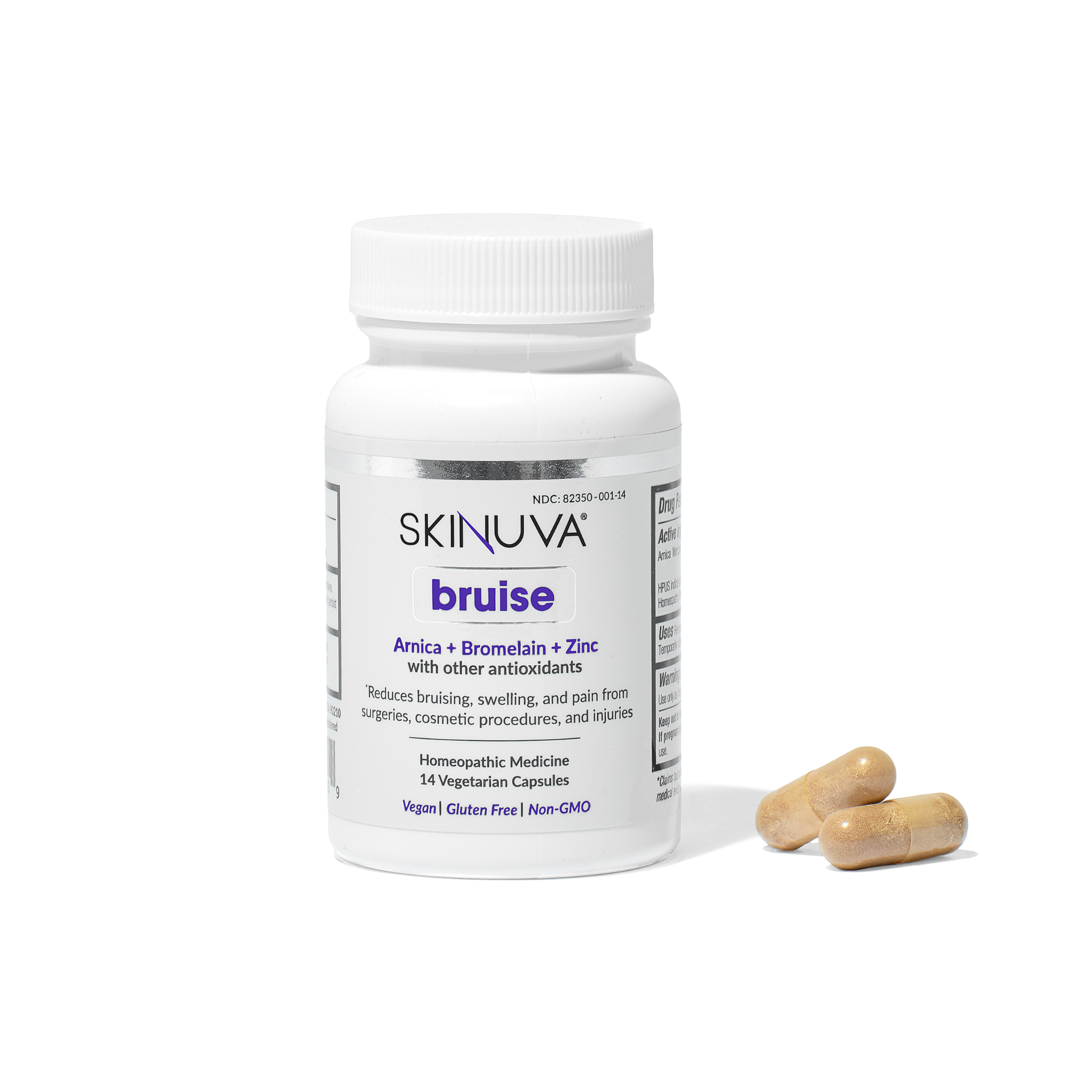
Skinuva Bruise capsules provide an oral approach to bruise care, while Skinuva Bruise Advanced Recovery Cream offers targeted topical care with ingredients selected to support the appearance of bruised skin.
Together, they offer a convenient addition to a recovery routine for individuals looking to address the appearance of bruising following aesthetic treatments.
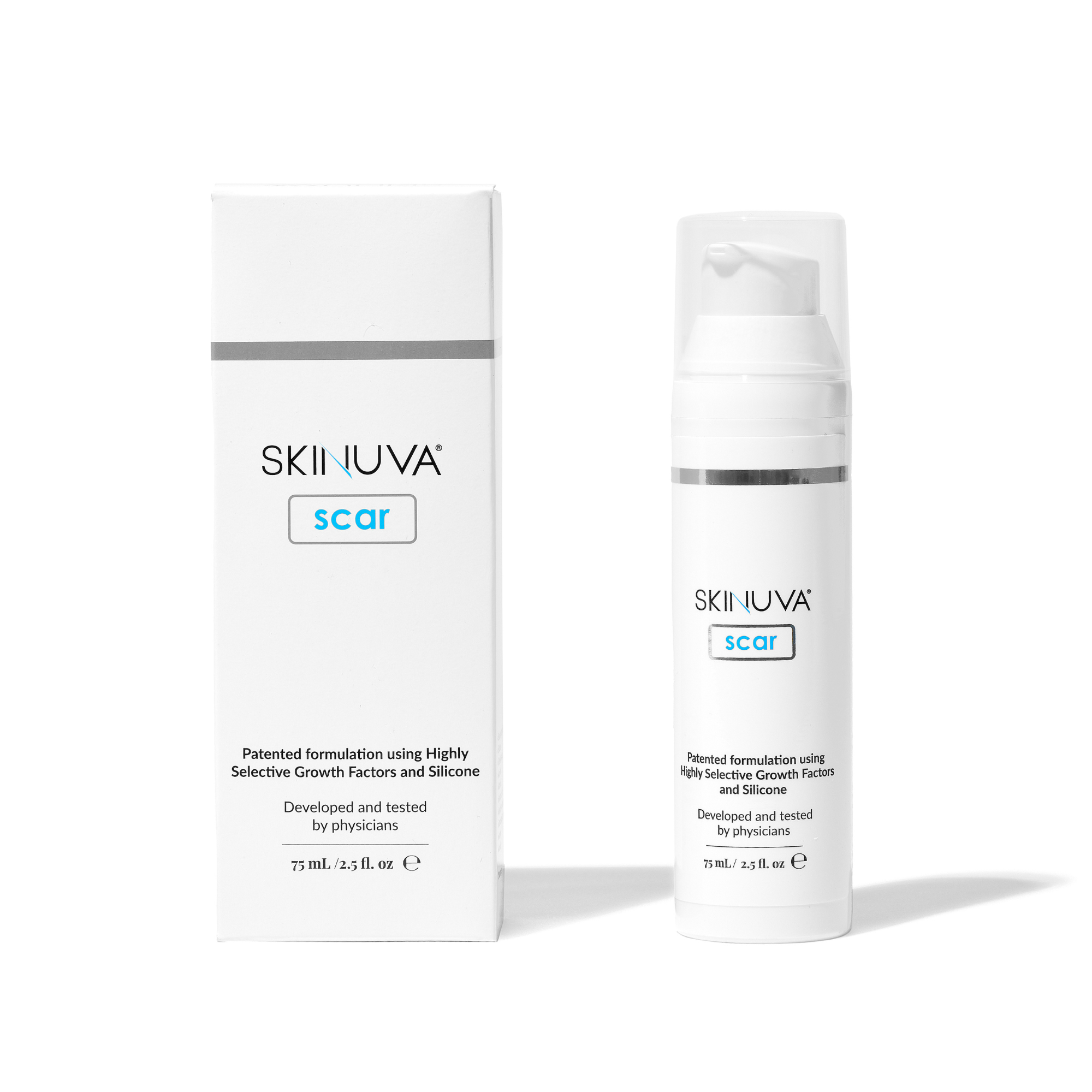
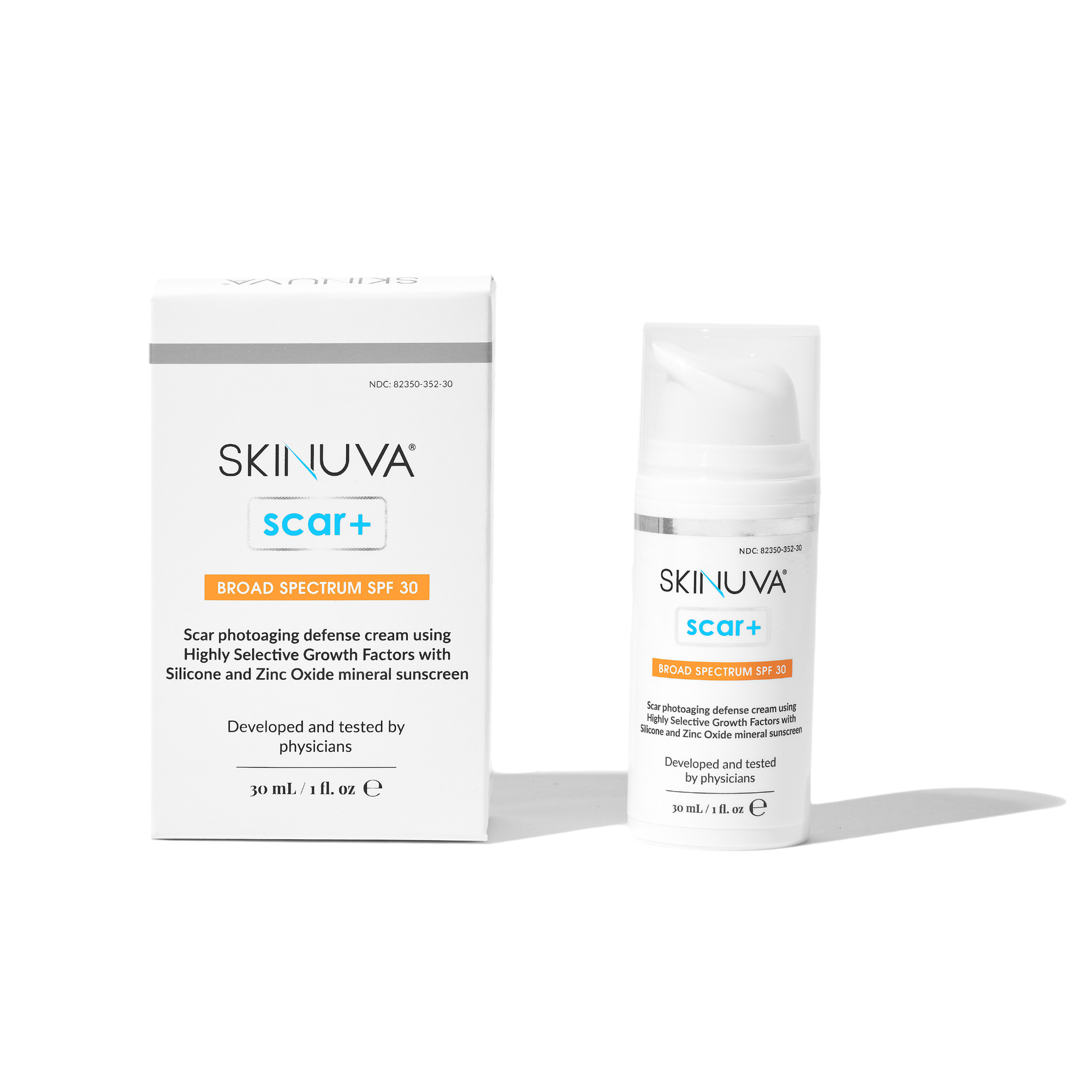
For patients undergoing more intensive procedures, other Skinuva formulations may also be appropriate once the skin has recovered sufficiently and their provider has approved their use. Skinuva Scar supports the appearance of healing scars, while Skinuva Scar+ SPF combines scar care with broad-spectrum sun protection.
Always follow your provider's recommendations regarding when to introduce topical products after a procedure.
Enjoy the Holidays Without Rushing Your Recovery
Aesthetic treatments can be a great way to address personal skincare goals, but achieving the results you want requires more than choosing the right procedure. Giving your skin adequate time to recover is just as important.
As you plan your holiday appointments, think beyond the treatment date. Consider potential downtime, allow time for results to develop, and follow your provider's recommendations throughout recovery.
With a little planning and a consistent approach to post-treatment care, you can head into the holiday season feeling confident while giving your skin the attention it deserves.